
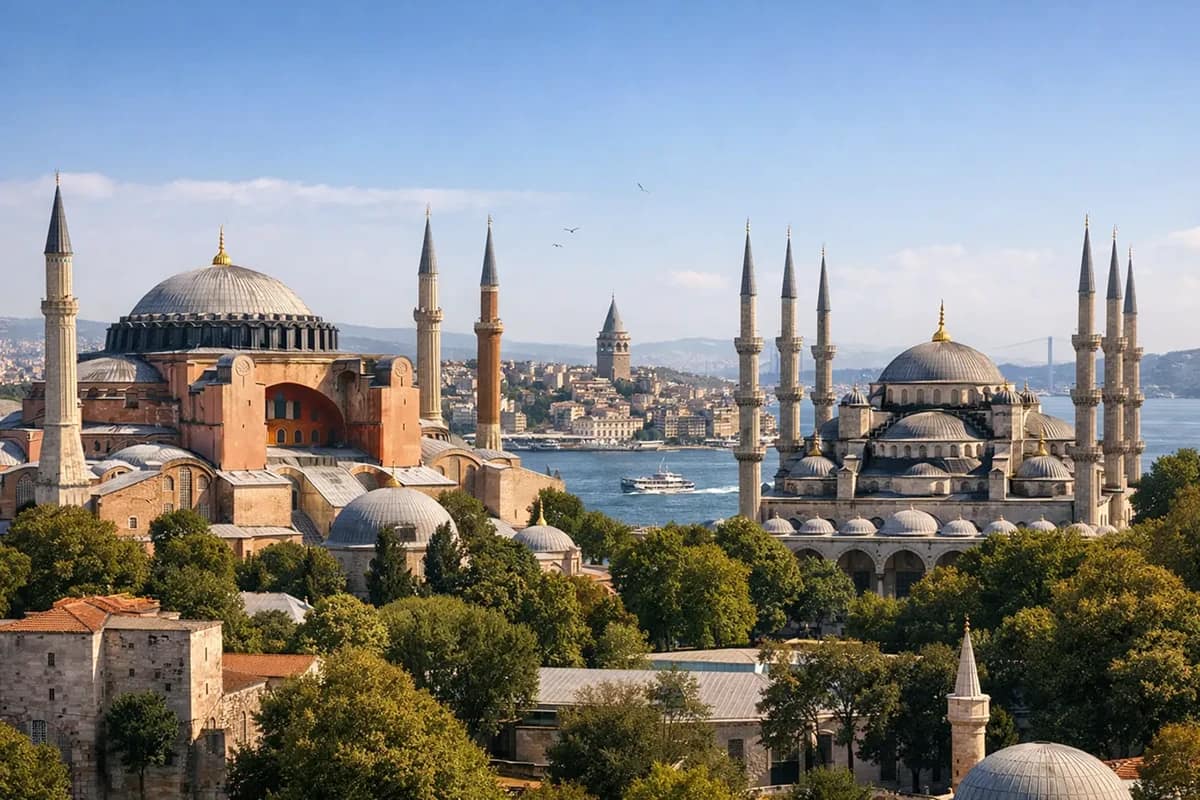
Three of Istanbul's headline sights — Hagia Sophia, Topkapı Palace and the Basilica Cistern — sit so close together you could almost throw a stone from one to the next. They share a single old hilltop in Sultanahmet, the historic heart of the city, and walking between them takes about five minutes. So the real question isn't whether you can see all three in a day. You can, with time to spare. It's how to do it without losing half the morning in a ticket queue or turning up at a locked gate.
This guide is about exactly that: the order that works, what each ticket does and doesn't cover, and the handful of closures and rules that quietly catch people out. Get the timing right and the big three become one of the most rewarding days in Istanbul. Get it wrong and you'll spend it standing in line. Here's how a local lines it up.
Three sights, three different worlds
Part of what makes this day so good is that the three places have almost nothing in common beyond their postcode. In the space of an afternoon you move through fifteen centuries and three civilisations.
Hagia Sophia: the building that changed architecture
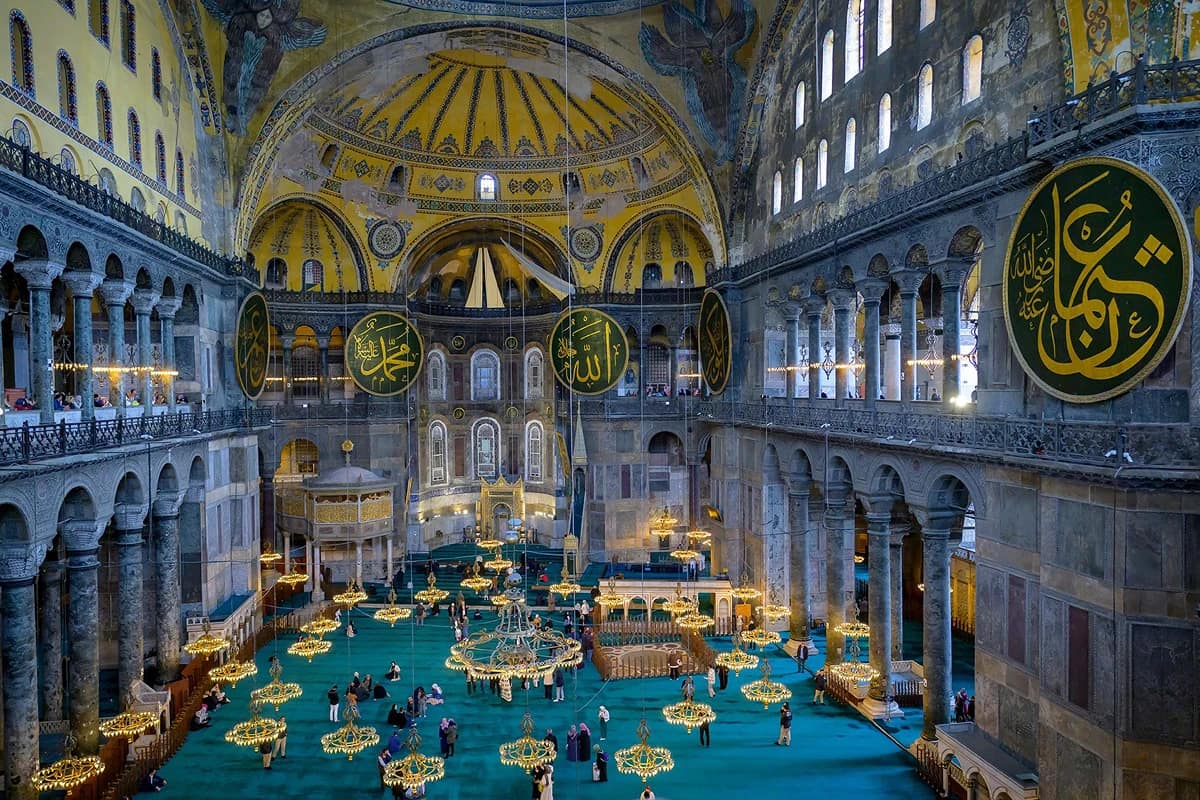
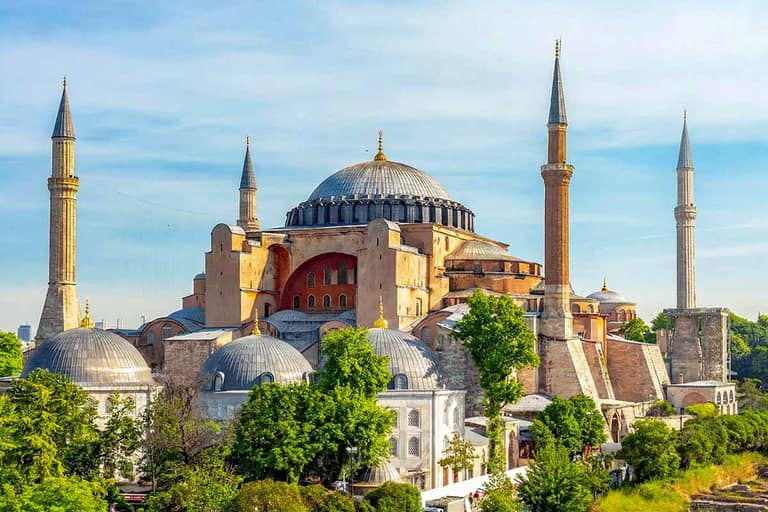
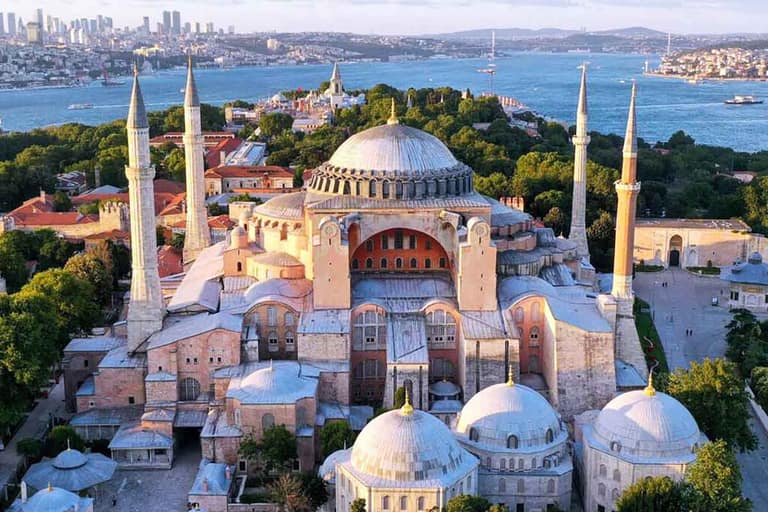
Begin with the one everyone comes for. Completed in 537 as the great cathedral of Byzantine Constantinople, turned into a mosque after the Ottoman conquest in 1453, run as a museum through much of the 20th century and a working mosque again since 2020, Hagia Sophia has worn every role the city has. Its enormous dome seems to float on light, and the gold Byzantine mosaics up in the galleries — the part now set aside for visitors — are the detail most people walk straight past.
A few things to know before you step in. Foreign visitors pay around €25, the Istanbul Museum Pass doesn't work here, and because it's an active mosque there's a dress code: covered shoulders and knees, a headscarf for women, shoes off for the carpeted galleries. Tourists see the upper galleries rather than the prayer floor below, so come for the mosaics and the sheer scale of the space, and give it about an hour.
Topkapı Palace: the Ottoman court, behind its walls
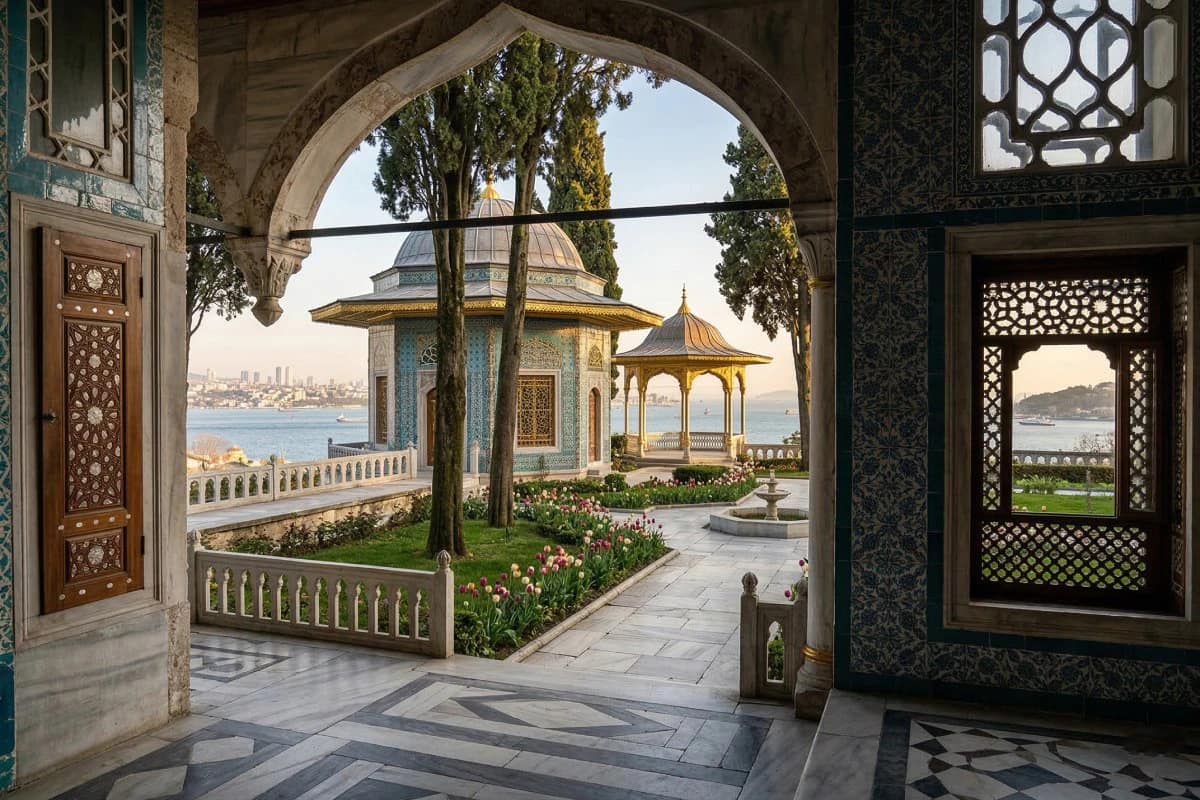
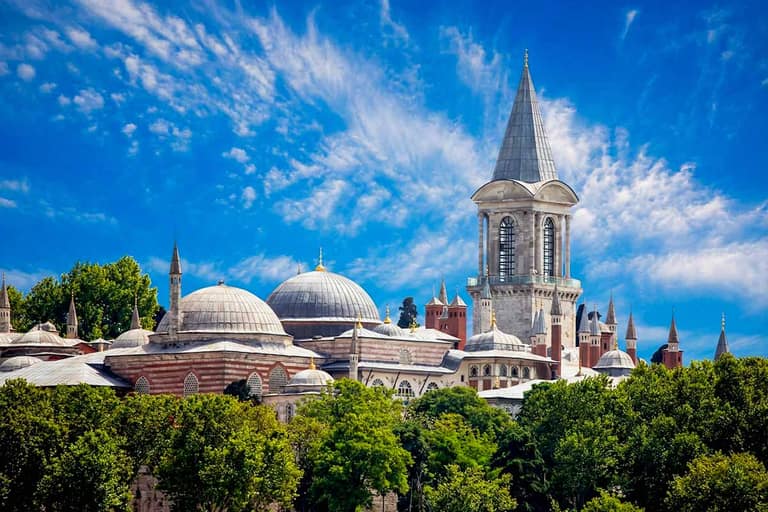
A two-minute walk away, behind high walls and a screen of cypress trees, is the palace the sultans ruled from for nearly four centuries. Topkapı isn't one grand building in the European style; it's a walled city of courtyards, pavilions, kitchens and gardens, perched where the Bosphorus meets the Golden Horn. The parts not to miss are the Harem, the maze of tiled private quarters where the imperial family lived, and the Treasury, home to the emerald-set Topkapı Dagger and the 86-carat Spoonmaker's Diamond.
This is the big time investment of the day, so allow two to three hours. The combined foreign-visitor ticket (around €55) now folds in the Harem and the church of Hagia İrene, though the Museum Pass covers only the main palace and leaves the Harem out. And note the one date that breaks itineraries: Topkapı is closed every Tuesday.
The Basilica Cistern: the city beneath the city
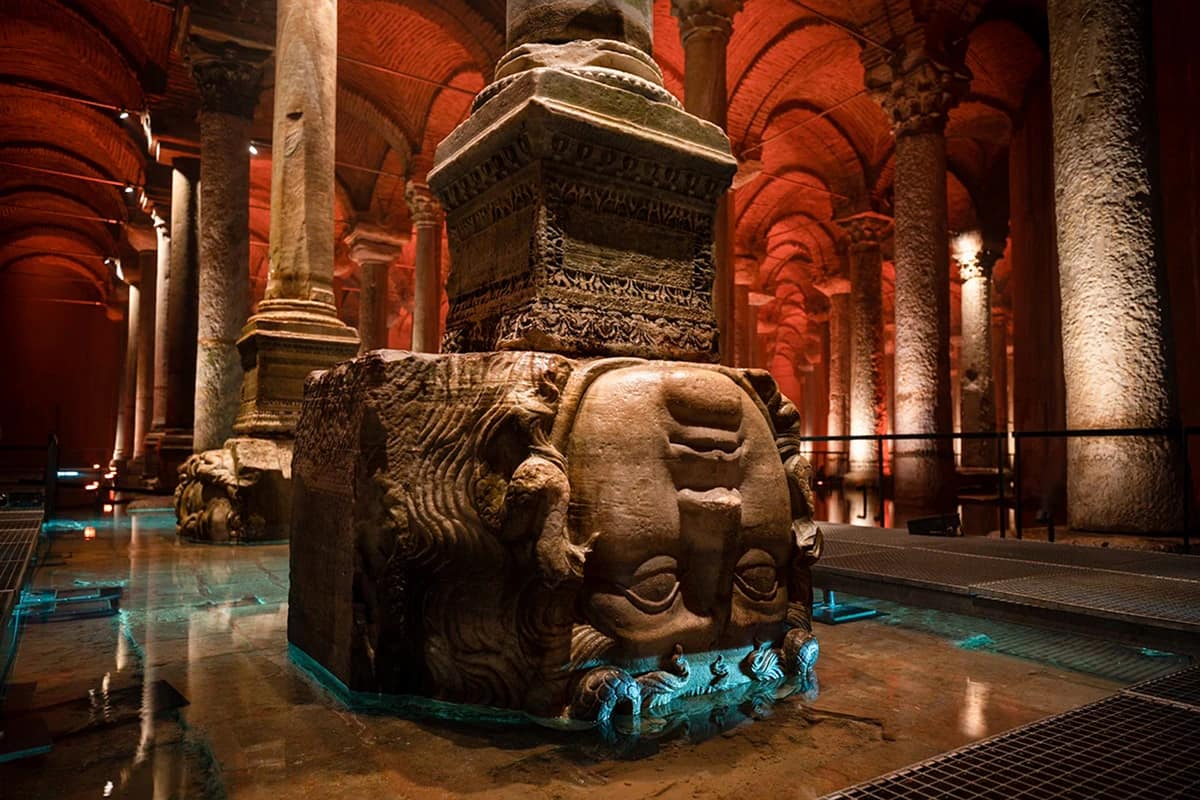
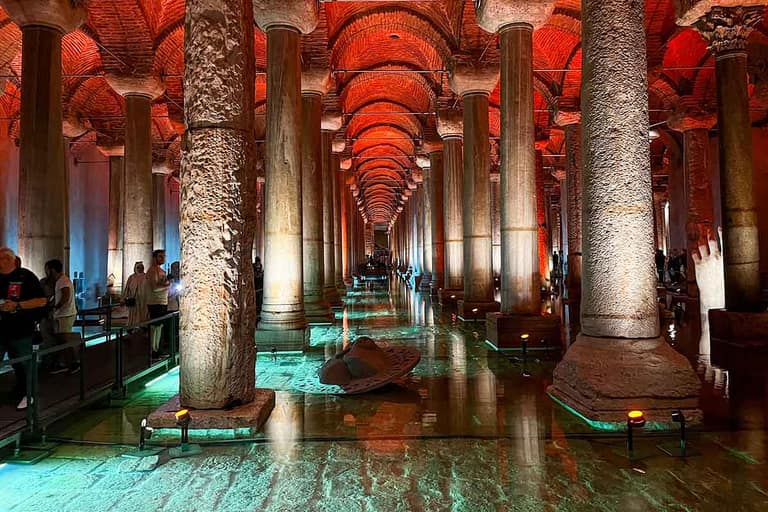
Finish underground. A short walk back toward Sultanahmet Square, some fifty steps below the street, is the Basilica Cistern, a cathedral-sized Byzantine reservoir built under Justinian in the 6th century to water the Great Palace above. Three hundred and thirty-six marble columns rise out of shallow, mirror-still water in the low light, and at the far end two carved Medusa heads sit beneath two of the columns, one on its side and one upside down, for reasons still argued over.
It's the quick, atmospheric one; 30 to 45 minutes is plenty. Daytime entry is roughly €38 for foreign visitors, the Museum Pass again doesn't apply (the cistern is run by the city, not the culture ministry), and since 2025 the door only takes card or İstanbulkart, not cash. There's also a moodier, pricier evening "Night Shift" if you'd rather keep it for after dark.
The order that actually works, and why
All three are a short stroll apart, so in theory you could tackle them in any sequence. In practice, one order beats the rest, because it works with the crowds and the closing times rather than against them.
Start at Hagia Sophia the moment it opens, around 8 or 9 in the morning. It's at its calmest in that first hour, before the tour groups land and well before the midday rush. On Fridays, an early start also gets you in and out before the prayer closure shuts it to visitors from roughly noon to half past two.
Walk straight to Topkapı next. It's the giant of the day and the one that closes earliest, so you want to be inside with the whole middle of the day still ahead of you. Take the Harem and Treasury first, while your energy's up, then let the courtyards and the terrace views over the water slow you down.
Leave the Basilica Cistern for last. It's quick, and it's cool and indoors — a real mercy on a hot afternoon — and it stays open later than the other two. If you've timed things well you'll still have light to spare; if you're running behind, it's the one sight that waits for you.
One date to design around: don't attempt this on a Tuesday, when Topkapı is closed. And if it has to be a Friday, do Hagia Sophia first thing and you'll be finished there before it pauses for midday prayers.
What "skip-the-line" actually means here
Skip-the-line tickets are worth having for all three, because in high summer the walk-up queues at Hagia Sophia and the Cistern can swallow an hour or more. But it's worth knowing what they buy you and what they don't. A skip-the-line ticket gets you past the booth where everyone else is paying. It does not get you past security. Every visitor goes through a bag check and metal detector, and at busy times that screening alone can take ten to thirty minutes. So pre-booking saves you the longest line, just not the last one. Factor a few minutes of security into each stop and you won't be caught out.
The Museum Pass trap
If you've read that the Istanbul Museum Pass is the clever way to do the old city, here's the catch for this particular trio: it barely helps. The pass isn't valid at Hagia Sophia at all, it isn't valid at the Basilica Cistern at all, and at Topkapı it covers only the main palace, not the Harem, which is the part you came to see. The pass can pay off if you're visiting a string of other ministry-run museums over several days. But for a single day built around the big three, you're almost always better off buying the three tickets directly.
Do you actually need a guide?
None of the three demands a guide. Each has an audio guide, and the Cistern more or less explains itself. Where a guide earns its keep is context and flow. Hagia Sophia is layered to the point of confusion — cathedral, mosque, museum, mosque again — and a good one untangles which century you're looking at. Topkapı is so large that it's easy to wander for two hours and still miss the best rooms; someone who knows the route walks you to them. And on a practical level, a guided or private booking lifts the ticketing, the order and the timing off your shoulders entirely, which on a day with this many moving parts is no small thing.
The easy way: tickets, or a day that's handled for you
There are really two ways to do this. The independent route is to book skip-the-line tickets for each of the three — linked in the sections above — and follow the order we've laid out, scarf in your bag and an early start on the clock.
The other route is to let someone else carry the logistics. A full-day private tour of the historic peninsula bundles the tickets, the timing and a guide into one booking, threads in the Blue Mosque and often the Grand Bazaar, and leaves you with just one decision to make on the day: where to stop for lunch. For first-time visitors, families, or anyone who'd rather not spend the night before cross-checking opening hours, it's the low-stress version of the same great day.
Turn it into a full Istanbul day
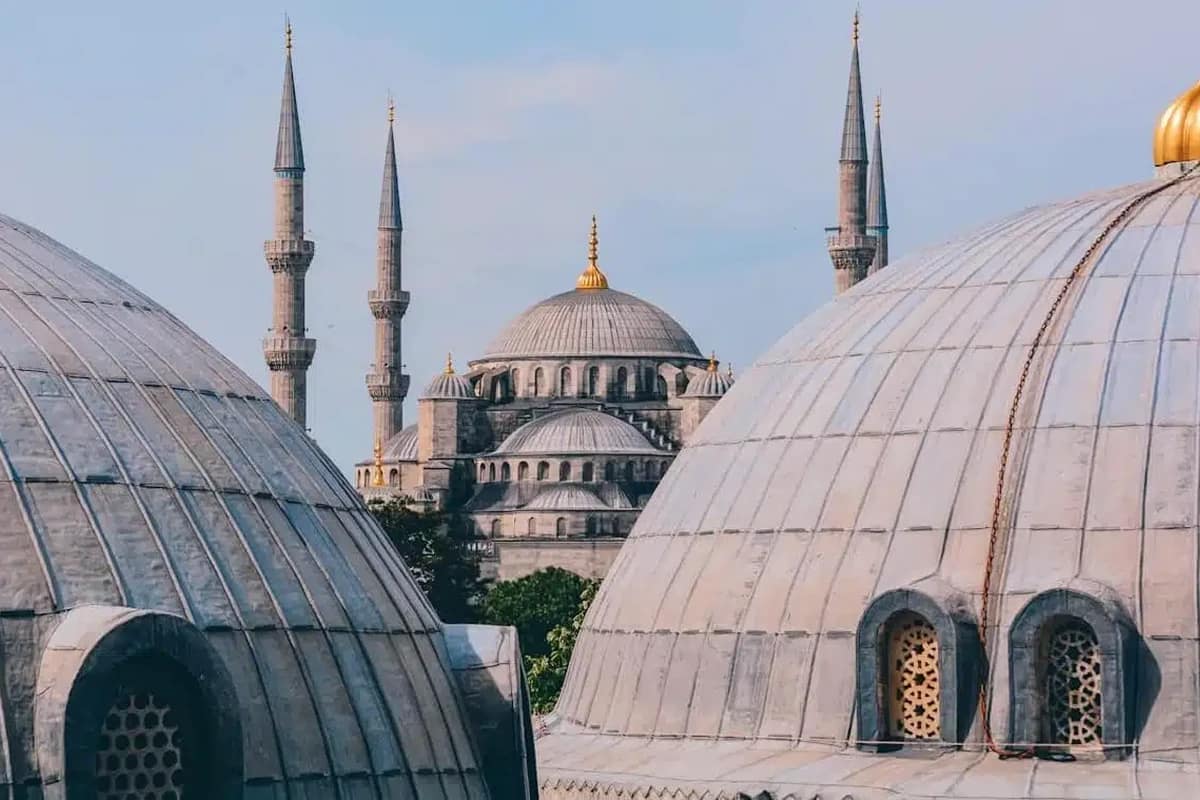
The big three are a generous half to three-quarters of a day, which leaves room to round things out without rushing. The obvious addition is the Blue Mosque, free to enter and a two-minute walk from Hagia Sophia across the old hippodrome square — just time it around its own prayer closures. From there, the Grand Bazaar is an easy downhill wander for a coffee and a browse.
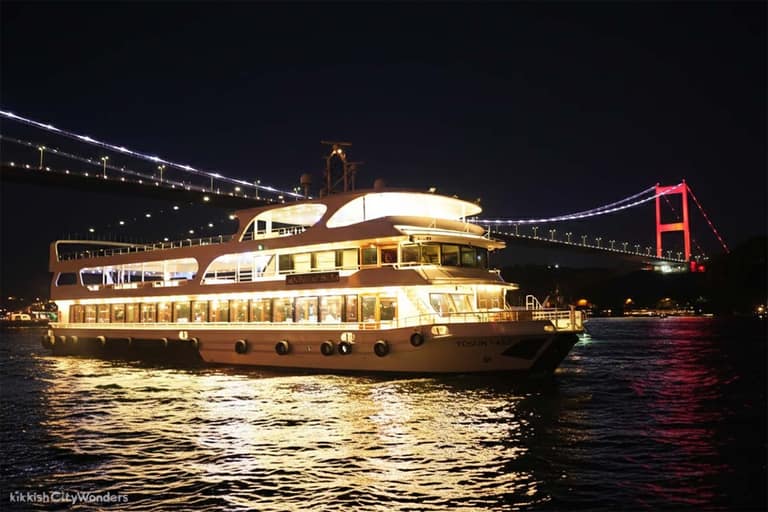
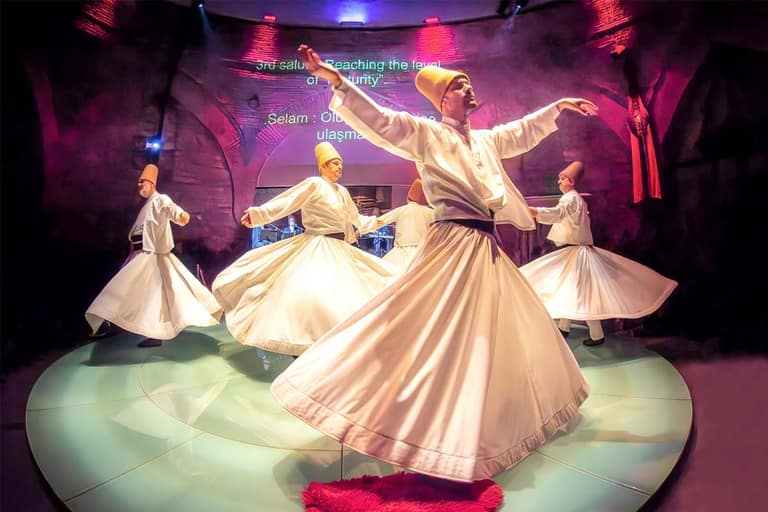
When the monuments close, the city opens up in a different direction. A guided food walk through the backstreets is the tastiest way to fill an early evening. Later, the classic Istanbul night is out on the water, whether that's a sunset cruise, a dinner cruise with a Turkish night show, or — for something quieter and older — the slow spin of the whirling dervishes. Any of them turns a day of history into a full day in the city.


Getting to Sultanahmet
Sultanahmet is the best-connected corner of Istanbul. The T1 tram runs right through it, with the three sights a few minutes on foot from the Sultanahmet stop, so if you're staying near the centre you may not need a car at all. Arriving straight from the airport, a private transfer from either Istanbul Airport (IST) or Sabiha Gökçen (SAW) is the painless option after a long flight. And if you'd rather have a vehicle and driver on hand for the whole day — old city in the morning, somewhere further afield in the afternoon — that's easily arranged too.



When to go
Any time of year works, with the usual trade-offs. Spring and autumn — roughly April to early June, then September to November — are the most comfortable, with mild days and slightly thinner crowds. Summer is hot and busy, which makes the early start and the cool of the Cistern doubly welcome. Winter is quiet and atmospheric, with the shortest queues of the year, though the opening hours shrink a little.
Whatever the season, this day rewards an early alarm. Be at Hagia Sophia as it opens, keep Topkapı for the middle of the day, save the Cistern for last, and steer clear of Tuesdays, when Topkapı's gates stay shut. Do that, and three of the greatest buildings in the city fall neatly into place over a single, unhurried day.